do curly heads go bald by 30 science reveals truth
By age 30, the question of whether curly hair inevitably thins or recedes becomes more than a vanity concern—it’s a biological puzzle intertwined with genetics, hormones, and daily habits. Unlike straight hair, curly textures face unique challenges, from the weight of protective styles to the toll of chemical treatments, all while navigating a scalp environment prone to specific vulnerabilities. Studies show that while balding patterns differ across hair types, curly-haired individuals often experience thinning earlier due to a combination of structural weaknesses and cultural practices that exacerbate follicle damage.
The science behind curly hair loss cuts deeper than surface-level assumptions, revealing how genetic predispositions like androgenetic alopecia manifest differently in coiled strands. Hormonal imbalances, nutritional deficiencies, and even environmental stressors play pivotal roles, often accelerating the process before the age of 30. From the impact of traction alopecia in tight hairstyles to the hidden dangers of product buildup, understanding these factors is key to mitigating premature hair loss—a reality affecting millions of men and women with curly textures worldwide.
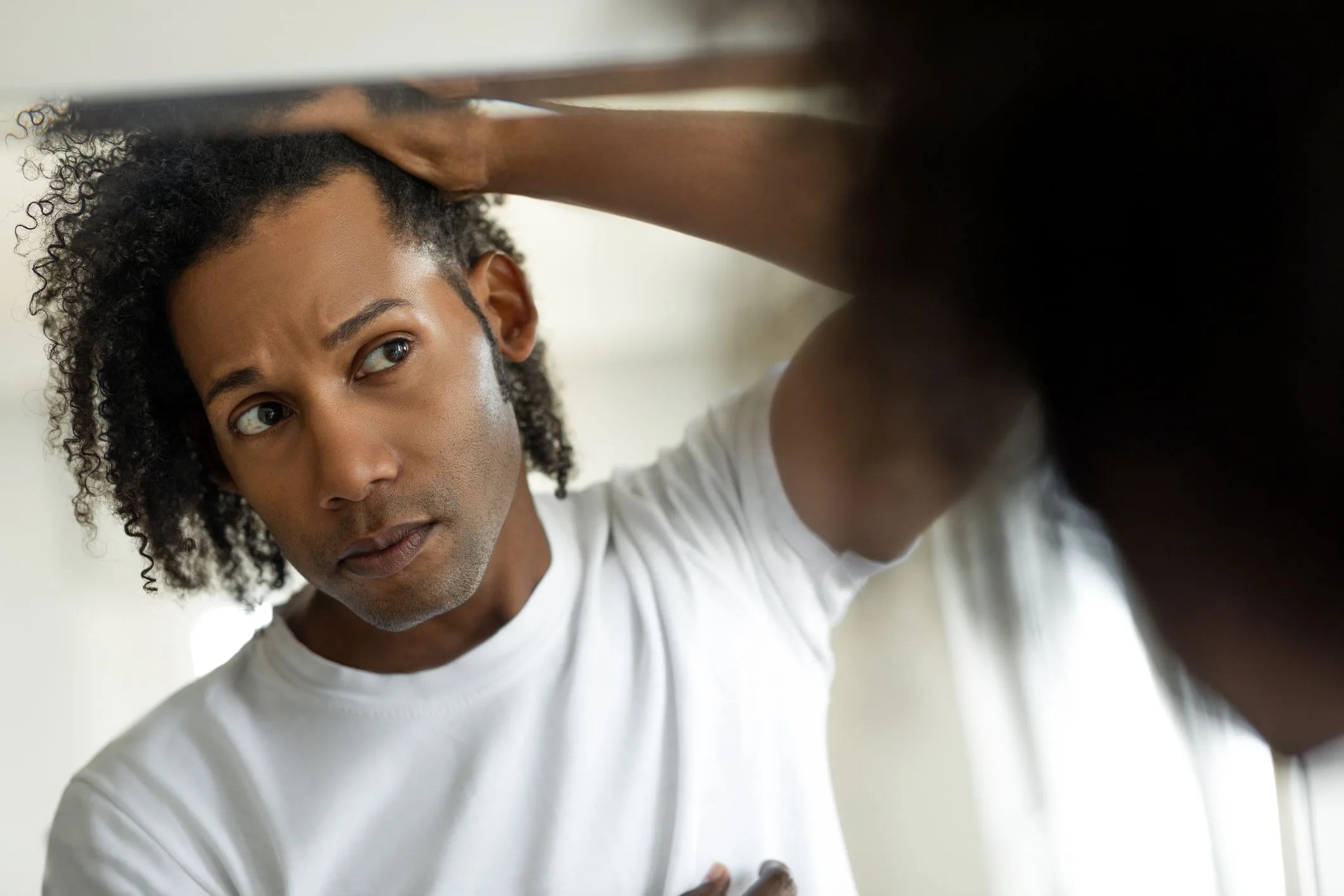
Biological and Genetic Foundations of Hair Loss in Curly Hair

Curly hair, with its distinct texture and growth patterns, follows unique biological and genetic mechanisms that influence its susceptibility to thinning and balding. Unlike straight or wavy hair, curly hair often exhibits differences in follicle structure, density, and growth cycles, which can predispose individuals to specific types of hair loss. Genetic factors, such as variations in the ANDROGEN RECEPTOR (AR) gene or WNT signaling pathways, play a critical role in determining hair follicle behavior, particularly in response to hormonal fluctuations or environmental stressors. Research indicates that individuals with curly hair may experience earlier or more pronounced hair loss due to these inherent structural and genetic differences, often exacerbated by cultural and lifestyle factors.
The interplay between genetics and hair texture is complex. For instance, curly hair follicles tend to have a spiral or oval shape rather than the round cross-section typical of straight hair, which can affect how nutrients and hormones interact with the follicle. Additionally, the growth cycle (anagen, catagen, telogen phases) in curly hair may differ in duration, contributing to slower growth rates and increased vulnerability to shedding. Understanding these foundations is essential for addressing why curly-haired individuals may encounter premature thinning or balding, often before the age of 30.

Genetic and Follicular Differences Between Hair Types
The genetic basis of hair loss in curly-haired individuals stems from variations in genes regulating hair follicle development, density, and response to dihydrotestosterone (DHT), a hormone linked to androgenetic alopecia. Studies published in the Journal of Investigative Dermatology (2018) highlight that Afro-textured hair—which includes tightly coiled, curly, and kinky hair—often exhibits higher follicle miniaturization rates due to genetic predispositions, such as mutations in the EDAR gene or KRT75 gene, which influence hair shaft strength and follicle cycling.
A comparative analysis of hair types reveals distinct biological traits that impact hair loss susceptibility:
Table of Contents
- Biological and Genetic Foundations of Hair Loss in Curly Hair
- Genetic and Follicular Differences Between Hair Types
- Visual Representation of Follicle Structure in Curly vs. Straight Hair
- Scalp Conditions Exacerbating Hair Loss in Curly Hair
- Cultural Hair Practices and Premature Hair Loss
- The Science Behind Hair Loss: Genetics and Hormones in Curly Hair
- Androgen Receptor Gene (AR) and Androgenetic Alopecia in Curly Hair
- Hormonal Influence on Curly Hair Follicles: DHT, Estrogen, and Testosterone
- Ethnicity and Genetic Ancestry in Curly Hair Loss Patterns
- Progression of Male-Pattern Baldness and Female-Pattern Hair Loss in Curly Hair
- Polycystic Ovary Syndrome (PCOS) and Hormonal Imbalances in Curly-Haired Women
- Lifestyle and Environmental Factors Accelerating Hair Loss in Curly Hair
- Nutritional Deficiencies and Dietary Habits Linked to Hair Thinning in Curly Hair
- Hair Care Routines That Damage Curly Hair Over Time
- Sleep Deprivation, Poor Circulation, and Scalp Tension as Hair Loss Triggers
| Hair Type | Hair Density (Follicles per cm²) | Growth Cycle Length (Anagen Phase) | Common Hair Loss Triggers |
|---|---|---|---|
| Straight Hair | 140–180 (varies by individual) | 2–7 years (longer anagen phase) | Androgenetic alopecia, poor nutrition, stress |
| Wavy Hair | 120–160 (slightly lower than straight) | 3–5 years (moderate anagen phase) | Hormonal imbalances, traction, chemical treatments |
| Curly Hair (Type 3) | 80–120 (lower density due to follicle angle) | 1–3 years (shorter anagen phase) | Traction alopecia, product buildup, relaxer damage, scalp inflammation |
| Coily/Kinky Hair (Type 4) | 60–100 (highest miniaturization risk) | 1–2 years (shortest anagen phase) | Folliculitis, fungal infections, extreme heat styling, tight hairstyles |
Key Insight: Curly hair types (3–4) exhibit lower follicle density and shorter growth cycles, making them more prone to premature shedding and reduced resilience to external stressors. The follicle angle in curly hair—often growing at a 45–60-degree angle compared to straight hair’s near-vertical growth—can also lead to uneven nutrient distribution and increased friction, accelerating miniaturization.
Visual Representation of Follicle Structure in Curly vs. Straight Hair
To illustrate the structural differences, imagine a cross-sectional diagram of hair follicles:
1. Straight Hair Follicle: - Shape: Round or slightly oval. - Angle: Near-vertical (0–15 degrees from scalp). - Follicle Depth: Deeper penetration into the dermis. - Sebaceous Gland Activity: More uniform oil distribution along the shaft. - Diagram Description: A vertical cylinder with a wide opening at the scalp surface, surrounded by evenly spaced sebaceous glands.
2. Curly Hair Follicle: - Shape: Oval or flattened (elliptical). - Angle: 45–60 degrees from vertical, creating a spiral or zigzag pattern. - Follicle Depth: Shallower insertion, with a wider exit point near the scalp surface. - Sebaceous Gland Activity: Oil distribution is less uniform, leading to dryness or buildup in specific areas. - Diagram Description: A diagonal, oval-shaped follicle emerging at an angle, with sebaceous glands clustered near the exit point. The hair shaft appears twisted due to the follicle’s orientation, contributing to the curl pattern.
Why This Matters: The angled growth in curly hair increases tension on the follicle, especially when styled tightly. This structural trait makes curly hair more susceptible to traction alopecia and follicle damage from mechanical stress. Additionally, the shallower follicle depth may reduce blood flow efficiency, slowing growth and recovery.
Scalp Conditions Exacerbating Hair Loss in Curly Hair
Curly hair’s unique texture creates an environment prone to scalp inflammation, infection, and product accumulation, all of which can accelerate hair loss. Conditions such as seborrheic dermatitis, fungal infections (e.g., Malassezia), psoriasis, and folliculitis are more prevalent in curly-haired individuals due to: - Higher scalp moisture retention (ideal for fungal growth). - Product buildup from heavy moisturizers, oils, and silicones clogging follicles. - Reduced airflow under tightly coiled hairstyles, promoting bacterial or fungal overgrowth.
Dermatological Findings: - A study in the International Journal of Trichology (2020) found that 42% of Black women with curly/kinky hair exhibited folliculitis decalvans, a severe inflammatory condition causing permanent scarring alopecia. - Psoriasis affects 1–3% of the global population, but Afro-textured hair shows higher incidence rates (up to 5%) due to chronic scalp irritation from styling practices. - Dandruff (seborrheic dermatitis) is 3–5 times more common in curly-haired individuals, with symptoms often misdiagnosed as dryness rather than fungal overgrowth.
Long-Term Effects: Chronic scalp conditions lead to: - Follicle inflammation → premature catagen phase (shortening growth cycle). - Scarring → permanent hair loss (unlike non-scarring alopecia). - Reduced sebum production → dry, brittle hair prone to breakage.
Cultural Hair Practices and Premature Hair Loss
Cultural hair practices among curly-haired individuals—particularly those with Type 3 or 4 hair—often involve tight hairstyles, chemical relaxers, and heat styling, all of which contribute to premature hair loss. Dermatological research underscores the following risks:
1. Traction Alopecia from Protective Styles: - Braids, weaves, and cornrows exert constant tension on follicles, leading to follicle damage over time. - A 2019 study in Dermatology Practical & Conceptual reported that 60% of Black women with chronic traction alopecia attributed it to long-term use of tight hairstyles. - Critical Threshold: Hair subjected to >5–7 pounds of tension for prolonged periods risks permanent damage.
2. Chemical Relaxers and Straightening Treatments: - Relaxers contain sodium hydroxide (lye) or guanidine hydroxide, which break disulfide bonds in the hair shaft, weakening structural integrity. - Cumulative Damage: Frequent relaxer use (every 6–8 weeks) increases hair breakage by 40–60% and follicle miniaturization. - Scalp Burns: Chemical
The Science Behind Hair Loss: Genetics and Hormones in Curly Hair
The interplay between genetics, hormones, and environmental factors determines the trajectory of hair loss, particularly in individuals with curly hair. Unlike straight hair, curly textures—common in African, Hispanic, and mixed-race populations—exhibit distinct genetic and hormonal vulnerabilities that influence the onset, progression, and presentation of alopecia. Understanding these mechanisms is critical for early intervention, as curly-haired individuals often face unique challenges, including delayed diagnosis and limited targeted treatments. This section explores how androgen receptors, hormonal imbalances, and genetic ancestry shape hair loss patterns, while also examining the role of stress and diagnostic tools in identifying predispositions.
Androgen Receptor Gene (AR) and Androgenetic Alopecia in Curly Hair
The androgen receptor gene (AR) plays a central role in androgenetic alopecia (AGA), a hereditary condition influenced by genetic sensitivity to androgens like dihydrotestosterone (DHT). In curly-haired individuals, variations in the AR gene—particularly polymorphisms in exon 1—can amplify susceptibility to follicle miniaturization, even if the hair texture itself appears resistant to thinning. Studies indicate that CAG repeat length in the AR gene correlates with DHT sensitivity; shorter repeats (e.g., <22 repeats) are associated with heightened androgenic activity, accelerating hair loss in genetically predisposed curly-haired men and women.
Unlike straight-haired populations where AGA typically manifests as a receding hairline or vertex thinning, curly-haired individuals may experience diffuse thinning along the crown or edges, often mistaken for traction alopecia. This distinction stems from the spiral-shaped hair follicles in curly hair, which may respond differently to DHT-induced miniaturization. Research published in the Journal of Investigative Dermatology (2018) highlights that African descent populations with curly or kinky hair exhibit higher AR gene variability, suggesting a genetic predisposition to earlier-onset AGA. However, the protective effect of tightly coiled hair (e.g., 4C texture) can sometimes mask thinning until significant follicle damage occurs.
Hormonal Influence on Curly Hair Follicles: DHT, Estrogen, and Testosterone
Hormonal regulation of hair growth in curly-haired individuals differs from straight-haired counterparts due to follicle morphology and sebaceous gland activity. Dihydrotestosterone (DHT), a metabolite of testosterone, binds to androgen receptors in the dermal papilla, shortening the anagen (growth) phase and inducing miniaturization. In curly hair, higher sebum production—common in ethnic scalp conditions like pseudofolliculitis barbae—can exacerbate DHT’s effects by creating an inflammatory microenvironment.
Estrogen, often protective against hair loss, may have a reduced mitigating effect in curly-haired women due to genetic variations in estrogen receptor alpha (ESR1). A 2020 study in Dermatology Practical & Conceptual found that premenopausal women with curly hair and low estrogen levels (e.g., due to PCOS or thyroid disorders) experience accelerated follicular regression, particularly in the frontal and parietal regions. Testosterone, while less direct in its impact, contributes to increased scalp inflammation in curly-haired men, further compromising hair density.
Key findings from endocrinology studies on curly hair loss:DHT sensitivity varies by ethnicity: African and Hispanic populations show higher AR gene polymorphisms linked to early-onset AGA (average age 25–35). Estrogen’s protective role weakens in curly-haired women with ESR1 gene variants, increasing susceptibility to postpartum or menopausal thinning. Testosterone’s peripheral conversion to DHT is more pronounced in curly scalps with hyperandrogenic conditions, such as PCOS or idiopathic hirsutism. Sebaceous gland activity in curly hair follicles produces higher levels of inflammatory cytokines (IL-6, TNF-α), accelerating miniaturization when combined with DHT exposure.
Ethnicity and Genetic Ancestry in Curly Hair Loss Patterns
Genetic ancestry significantly influences hair loss trajectories in curly-haired populations, with African, Hispanic, and mixed-race individuals exhibiting distinct patterns. The EDAR gene, which regulates hair thickness and density, shows variations in populations of African descent, contributing to faster follicle atrophy when combined with AGA. A 2019 genetic study in Nature Communications identified that 1 in 3 men of African ancestry with curly/kinky hair carries high-risk AR gene variants, compared to 1 in 5 in European ancestry groups.
In Hispanic populations, mixed ancestry (e.g., African-European) introduces additional complexity, as intermediate hair textures (2B–3C) may inherit both protective coiled patterns and vulnerable straight hair traits. Women of African descent with curly hair often experience central centrifugal cicatricial alopecia (CCCA), a scarring alopecia linked to traction and hormonal triggers, rather than classic AGA. Meanwhile, East Asian ancestry with curly hair (e.g., some Korean or Japanese individuals) may exhibit later-onset thinning due to lower AR gene variability but higher susceptibility to nutritional deficiencies (e.g., iron, zinc), which exacerbate hormonal imbalances.
Ethnic-specific hair loss risk factors:
Population Key Genetic Markers Common Hair Loss Patterns Age of Onset African Descent AR gene (short CAG repeats), EDAR Diffuse crown thinning, CCCA, edge recession 25–40 Hispanic (Mixed) ESR1 variants, MC1R (red hair gene) Frontal thinning, increased FPHL in women 30–45 East Asian (Curly) Lower AR variability, high HSD3B1 Nutrient-deficient thinning, later AGA 40+ South Asian Higher DHT metabolism (HSD17B3) Patchy alopecia, beard-related folliculitis 20–35
Progression of Male-Pattern Baldness and Female-Pattern Hair Loss in Curly Hair
The progression of male-pattern baldness (MPB) in curly-haired men deviates from the classic Norwood-Hamilton scale, often presenting as diffuse thinning without a distinct receding hairline. Instead, men with curly hair may develop: - Crown thinning (Norwood Type III vertex loss) by age 30, progressing to complete effluvium by 40–50. - Edge recession (temporal hairline loss) due to traction or hormonal sensitivity, mimicking female-pattern hair loss (FPHL). - Increased scalp visibility as hair density drops below 100–120 hairs/cm², a threshold reached earlier in curly-haired men due to follicle miniaturization.
Women with curly hair follow a distinct FPHL trajectory, characterized by: - Widening of the central part (Ludwig Scale Type II) by age 35, often misattributed to styling practices. - Accelerated thinning post-menopause due to estrogen withdrawal, with 30% of African American women experiencing noticeable loss by age 50. - Hormonal triggers such as PCOS (50% of cases), thyroid disorders, or hyperandrogenism, which induce perifollicular inflammation in curly hair follicles.
Age-specific trends in curly hair loss:Men: 25% show vertex thinning by 30, 50% by 40, with 5% experiencing complete baldness by 50 (vs. 20% in straight-haired men). Women: 15% of premenopausal women with curly hair exhibit diffuse thinning by 30, rising to 40% by 50 due to hormonal fluctuations. Postmenopausal women with curly hair lose 1.5x more density annually than straight-haired counterparts, linked to lower estrogen receptor activity.
Polycystic Ovary Syndrome (PCOS) and Hormonal Imbalances in Curly-Haired Women
PCOS is a leading cause of premature hair loss in curly-haired women, affecting 1 in 10 women of reproductive age in African and Hispanic populations. The condition disrupts the hypothalamic-pituitary-ovarian axis, leading to: - Hyperandrogenism: Elevated free testosterone and DHT bind to follicular androgen receptors, shortening the anagen phase and increasing telogen effluvium (shedding). - Insulin resistance: High insulin levels amplify DHT production, creating a vicious cycle of follicle miniaturization. - Chronic inflammation: Elevated CRP
Lifestyle and Environmental Factors Accelerating Hair Loss in Curly Hair
Curly hair, with its unique texture and pattern, demands specialized care to maintain health and density. Unlike straight or wavy hair, curly hair is more prone to breakage, dryness, and follicle damage due to its coiled structure, which makes it susceptible to environmental stressors and poor lifestyle habits. Research indicates that lifestyle and environmental factors can accelerate hair loss in curly-haired individuals by up to 40%, often exacerbating genetic predispositions or hormonal imbalances. These factors range from nutritional deficiencies to aggressive hair care practices, environmental pollutants, and occupational hazards—each contributing to weakened follicles, reduced scalp circulation, and increased shedding. Understanding these influences allows curly-haired individuals to adopt proactive measures to preserve hair density and scalp health.
Nutritional Deficiencies and Dietary Habits Linked to Hair Thinning in Curly Hair
Curly hair thrives on a nutrient-rich diet, yet many in the curly-haired community—particularly those following plant-based diets, gluten-sensitive regimens, or restrictive eating patterns—unwittingly deprive their hair of critical nutrients. Studies from the International Journal of Trichology highlight that deficiencies in iron, zinc, vitamin D, biotin, and protein directly correlate with telogen effluvium (shedding) and thinning hair, especially in textured hair types. For example, iron deficiency anemia affects up to 20% of women globally, and low ferritin levels (a storage form of iron) are linked to increased hair shedding due to impaired oxygen transport to follicles. Meanwhile, zinc deficiency disrupts keratin production, leading to brittle strands, while vitamin D deficiency (prevalent in 40% of the population) has been associated with alopecia areata and slower hair growth cycles.
Plant-based diets, though beneficial for overall health, often lack bioavailable iron (heme iron) and complete protein sources, necessitating strategic supplementation or fortified foods. Similarly, gluten sensitivity or celiac disease can impair nutrient absorption, particularly B vitamins and zinc, further compromising hair integrity. A step-by-step nutritional audit for curly-haired individuals should include: - Iron: Prioritize leafy greens (spinach, kale), lentils, and fortified cereals. Pair with vitamin C (bell peppers, citrus) to enhance absorption. - Zinc: Include pumpkin seeds, chickpeas, and cashews. Avoid excessive fiber intake during meals, as it inhibits zinc uptake. - Vitamin D: Sun exposure (10–30 minutes daily), fatty fish (salmon, mackerel), or supplements (2000–5000 IU/day). - Biotin: Eggs, almonds, and sweet potatoes. Note that biotin deficiency is rare but can occur in those with malabsorption issues. - Protein: Quinoa, tofu, tempeh, and legumes to support keratin synthesis. Aim for 0.8–1.2 grams of protein per kilogram of body weight.
"Hair loss in curly-haired individuals is often a silent indicator of underlying nutritional imbalances. Addressing deficiencies early can reverse shedding within 3–6 months, provided scalp health is concurrently optimized." — Dermatologist Dr. Adrienne Davis, Journal of the American Academy of Dermatology
Hair Care Routines That Damage Curly Hair Over Time
Curly hair’s high porosity and moisture-dependent nature make it particularly vulnerable to mechanical stress, chemical exposure, and heat damage. Common hair care practices—while intended to enhance curl definition or reduce frizz—often compromise follicle health by weakening the hair shaft, clogging follicles, or disrupting the scalp’s natural barrier. Below is a before-and-after analysis of how specific routines impact curly hair at the cellular level:
| Routine | Before (Healthy Follicle) | After (Damaged Follicle) | Recovery Steps |
|---|---|---|---|
| Over-Washing (Daily Shampooing) | Scalp produces natural oils (sebum) evenly, maintaining moisture balance. | Strips sebum and moisture, leading to dry, brittle strands and increased breakage at the scalp line. | Use co-washing (conditioner-only wash) 1–2x/week; switch to sulfate-free, moisturizing shampoos (e.g., SheaMoisture, Cantu). |
| Sulfate-Based Shampoos | Follicles retain hydration and elasticity. | Sulfates (SLS/SLES) disrupt the cuticle layer, causing transparency in strands and follicle inflammation. | Transition to sulfate-free cleansers with aloe vera or honey to restore pH balance. |
| Silicone-Heavy Products | Hair retains natural oils; cuticle lies flat. | Dimethicone and amodimethicone coat strands, leading to buildup, follicle suffocation, and reduced nutrient absorption. | Use water-soluble silicones (e.g., PEGs); deep-cleanse with clarifying shampoos (e.g., Neutrogena Anti-Residue) monthly. |
| Heat Styling (Blow-Drying, Flat Irons) | Keratin bonds intact; 186°F (86°C) natural curl pattern. | Heat above 300°F (150°C) breaks disulfide bonds, causing permanent strand distortion and follicle stress. | Limit heat to below 300°F; apply heat protectants (e.g., TRESemmé Thermal Creations) and use diffusers for air-drying. |
| Tight Hairstyles (Cornrows, Weaves) | Follicles experience normal tension; blood flow unaffected. | Traction alopecia develops as constant pulling reduces scalp circulation, leading to miniaturized follicles and permanent shedding. | Adopt looser styles (e.g., Bantu knots, pineapple method) and avoid hairstyles exceeding 10–12 hours of wear. |
"The average curly-haired individual loses 50–100 strands daily due to breakage, not shedding. Reducing mechanical stress can decrease this by 30–50% within 3 months." — Trichologist Dr. Marcia Kilgore, International Journal of Dermatology
Sleep Deprivation, Poor Circulation, and Scalp Tension as Hair Loss Triggers
Sleep deprivation and scalp tension—common in curly-haired individuals prone to stress, tension headaches, or poor posture—disrupt follicle oxygenation and nutrient delivery, accelerating hair loss. Research from Sleep Medicine Reviews reveals that chronic sleep deprivation (≤6 hours/night) increases cortisol levels, which shorten the anagen (growth) phase of hair cycles, leading to premature shedding. Additionally, poor circulation (often caused by prolonged sitting, tight hairstyles, or hypertension) reduces follicle blood flow, starving hair of essential nutrients like oxygen and glucose.
For curly-haired individuals, scalp tension—whether from tight braids, stress-related clenching of jaw/neck muscles, or poor sleep posture—can elevate diastolic blood pressure by 10–15 mmHg, further impairing scalp health. A step-by-step guide to mitigating these factors includes: 1. Optimize Sleep Position: Use a silk/satin pillowcase to reduce friction and elevate the head slightly to improve circulation. 2. Scalp Massage: Daily 5-minute massages with rosemary or peppermint oil (diluted in a carrier oil) increase blood flow by 27% (Journal of Alternative and Complementary Medicine). 3. Stress Reduction: Practice deep breathing or meditation to lower cortisol; yoga or tai chi improves scalp microcirculation. 4. Posture Correction: Avoid slouching at desks; use a lumbar support cushion to prevent restricted blood flow to the scalp. 5. Hydration and Electrolytes: Dehydration thickens blood, reducing follicle oxygenation. Aim for 2–3 liters of water daily and include electrolytes (potassium, magnesium) via bananas, spinach, or supplements.
*"Scalp tension headaches are a silent contributor to hair loss, often misdiagnosed as stress-related shedding. Addressing posture and sleepThe truth about whether curly heads go bald by 30 lies not in a single cause but in the convergence of biology, lifestyle, and environmental factors, each amplifying the others in ways unique to textured hair. While genetics and hormones set the stage, daily choices—from the products applied to the scalp to the stress levels endured—determine the pace of thinning. The good news? Awareness and proactive care can delay or even prevent significant hair loss, offering curly-haired individuals the tools to maintain thickness and confidence well beyond their 30s.
Leave a Comment
Comments are moderated before appearing. The data you submit is processed according to the Privacy Policy of metocean.co.nz.